Key Takeaways
- Thoughtful outfit choices, polished grooming and proper rest before your session are the foundation of a standout headshot.
- Small posing adjustments — chin position, shoulder relaxation and eye contact — make an enormous difference to how confident and approachable you look on camera.
- Working with an experienced local photographer in a well-equipped studio gives you the lighting, guidance and environment needed to walk away with images you'll actually want to use.
If you’re ready to organise your own, start with our Sydney headshot photography sessions.
A great headshot is your digital handshake — the very first impression a potential client, employer or collaborator forms before they've ever spoken to you. Whether you're refreshing your LinkedIn profile, updating your company website or building a personal brand, the quality of that single image carries real weight. At Faithful Photography, our studios in Glen Alpine and Gledswood Hills serve professionals and creatives across the Macarthur region — from Campbelltown and Camden to Narellan and beyond. We've guided hundreds of people through headshot photoshoot tips that transform a nerve-wracking session into a confident, polished result. Here's everything you need to know to walk in ready and walk out with images you're proud to share. ---Why Your Headshot Matters More Than Ever
In today's digitally driven world, your headshot appears on LinkedIn, email signatures, speaker bios, proposal documents and social media — often before you've had a single conversation with someone. A blurry selfie or an outdated photo taken at a Christmas party simply doesn't cut it. Professional headshots signal credibility and approachability. They tell the viewer: *I take my work seriously, and I respect your time.* ### The difference a professional session makes A professional environment gives you access to studio-grade lighting, expert posing direction and a photographer whose sole focus is making you look your very best. Compare that to a quick phone snap in your backyard — the gap in quality is immediately obvious. Our corporate photography in Sydney is designed specifically for this: clean, polished results that communicate professionalism without looking stiff or unapproachable. ---Choosing the Right Outfit for Your Headshot Session
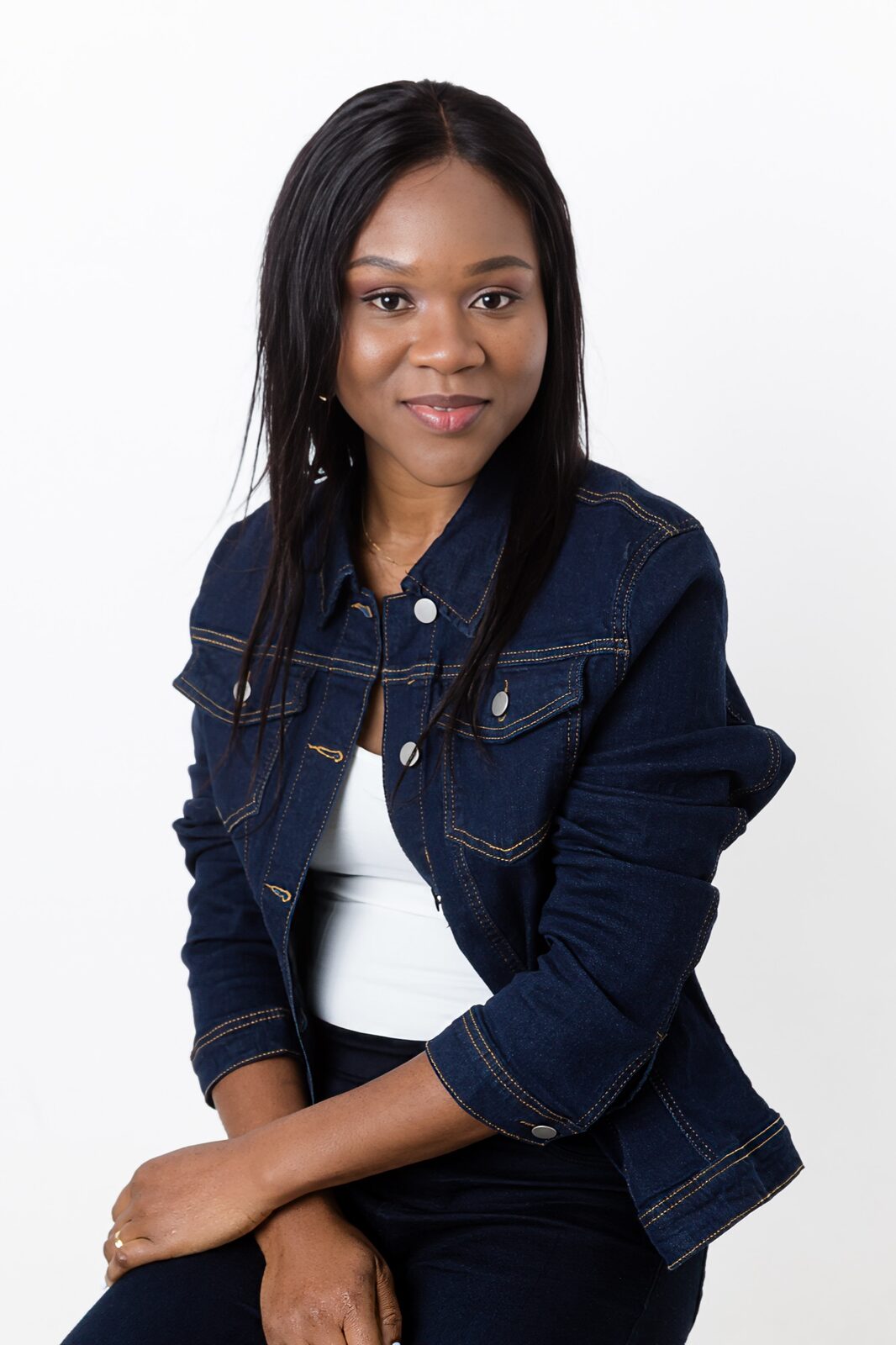
Your outfit is one of the most impactful decisions you'll make before the shoot. Choose well, and it becomes a quiet frame that draws all attention to your face. Choose poorly, and it competes with you for the viewer's eye. ### Colours that photograph beautifully Solid, mid-tone colours are your best friend. Think:- Navy blue — timeless, trustworthy, universally flattering
- Burgundy or deep red — confident and warm without being distracting
- Forest green or teal — fresh, distinctive and highly photogenic
- Charcoal grey — clean, versatile, works for almost any industry
Hair, Makeup and Grooming Tips That Make a Real Difference
The camera is honest. Anything you might overlook in the bathroom mirror gets amplified on screen — which is why a little extra preparation in this department pays off enormously. ### Hair Your hair should look polished, natural and intentionally styled — not like you just ran a brush through it in the car park. If you're planning a dramatic new cut or colour, do it at least two weeks before your session so the style has time to settle. Avoid overly stiff products that make hair look helmet-like. The aim is clean and controlled, not plastered. ### Makeup For women, matte products are essential. Shimmer and highlight products — however beautiful in real life — catch studio light in unflattering ways and create an uneven, reflective texture. Focus on:- Even, well-blended foundation (blend down to the neck to avoid a visible line)
- Defined brows — they frame the face and read strongly on camera
- Soft eye definition rather than heavily dramatic looks
- A neutral or slightly warm lip that photographs naturally
Rest, Hydration and Day-of Preparation
No filter or post-processing trick compensates fully for tired eyes and dull skin. The best preparation you can do happens in the 48 hours *before* you arrive at the studio. ### Sleep and hydration Aim for a solid night's sleep — ideally seven to eight hours — on the two nights before your session. Adequate rest reduces puffiness under the eyes, evens skin tone and helps you feel more relaxed and natural in front of the camera. Start drinking water well before shoot day. Hydrated skin looks plumper, smoother and more luminous. This isn't beauty mythology — it's genuinely visible in the images. ### Pack a touch-up kit Bring a small bag with essentials for the day:- Translucent powder or blotting papers
- Lip balm and your chosen lip colour
- A fine-tooth comb or small brush
- A lint roller for jackets and dark fabrics
- A water bottle and a light snack
"Confidence isn't something the camera creates — it's something you bring with you. Preparation is what makes it possible."---
How to Nail Your Headshot Pose
Posing is the part most people worry about — and yet it's also the part that responds most quickly to a few simple adjustments. You don't need to be a model to pose well for a headshot. You just need a few techniques that your photographer will guide you through. ### Find your best angle Most people have a slightly stronger side. A slight rotation of the face — roughly 15 to 20 degrees — rather than shooting dead-on creates more dimension and flatters almost every face shape. Experiment by tilting your face left, then right, and notice which feels and looks more natural. A symmetrical face is rare; most of us have subtle asymmetry, and that's completely normal. A good photographer will observe this quickly and guide you into the position that works best for your features. ### The chin technique This is one of the most transformative tricks in portraiture, and almost no one knows about it until they're told. Extend your neck slightly forward and downward — like you're gently craning to look over a fence. Then lower your chin just a fraction. It feels completely unnatural. But on camera, it does three things: eliminates double chin, sharpens the jawline and creates separation between face and neck. Practise this in the mirror before your session — once you see it working, you won't forget it. ### Eyes and expression Your eyes carry almost everything in a headshot. Don't stare directly into the lens with a wide, unblinking gaze — this reads as anxious rather than confident. Instead, soften your focus slightly and think of something that genuinely makes you happy or proud. A real smile reaches your eyes. Think of a person, a moment or a place that brings warmth, and let it happen naturally. Your photographer will be watching for that moment — and when it arrives, the shutter catches it. ### Relax your shoulders Tension in the shoulders is immediately visible in photographs. Before each shot, roll your shoulders back and down, away from your ears. Take a slow breath in, then release. This simple physical reset makes a significant difference to how open and confident you appear. Between shots, give your shoulders a quick shimmy to release built-up tension. Your photographer will remind you, but if you know to do it already, you'll feel the benefit immediately.Ready to book your professional headshot session?
Our studios in Glen Alpine and Gledswood Hills are fully equipped with professional lighting, expert direction and optional hair and makeup — everything you need for a session that delivers results you're proud to use.
Understanding Lighting and Background Choices
The technical environment of your shoot shapes the final image just as much as your preparation does. Understanding the basics helps you make informed decisions when discussing your session with your photographer. ### Natural light versus studio lighting Natural light produces a soft, flattering quality that feels warm and approachable — ideal for creative professionals, consultants and anyone who wants a less formal look. The challenge with natural light is its inconsistency: cloud cover, time of day and season all affect the result. Studio lighting, by contrast, is fully controlled and repeatable. A well-equipped studio can replicate any look — from soft, window-like diffused light to more dramatic, directional setups — regardless of what the weather is doing outside. For professional headshots where consistency matters (think a team of eight people all needing matched images), studio lighting is the reliable choice. For more on how professional lighting setups work, our article on lighting equipment studio essentials goes into detail about what separates a professional environment from a makeshift one. ### Background selection Plain backgrounds — white, grey, black or a subtle texture — keep the focus entirely on you. For corporate and professional headshots, these are almost always the right choice. Contextual or environmental backgrounds (a modern office corridor, a textured brick wall) can work well for personal branding imagery where a sense of personality and environment matters. Discuss your intended use with your photographer before the session. LinkedIn profiles, company websites and speaker profiles often have different requirements, and knowing in advance allows the photographer to plan accordingly. ---Working Effectively With Your Photographer
A headshot session works best as a collaboration. The more your photographer knows about you, your industry and the intended use of the images, the better they can direct you toward something that feels authentic rather than generic. ### Communicate your goals Before the session begins, share:- Where the images will be used (LinkedIn, website, printed collateral, media kits)
- Your industry and the tone you want to convey — approachable, authoritative, creative, warm
- Any specific concerns about how you photograph (e.g., you dislike your profile, you struggle to smile naturally)
- Reference images of headshots you admire, even from different people entirely
Frequently Asked Questions
What are the most important headshot photoshoot tips for someone who's never done this before?
Preparation is everything. Choose a solid-coloured outfit in a flattering mid-tone, get a full night's sleep before the session, drink plenty of water in the 48 hours beforehand and arrive with a touch-up kit. During the shoot, follow your photographer's direction, practise the chin-forward technique and think of something that genuinely makes you smile. The session itself is shorter than most people expect — usually an hour — so the more relaxed you arrive, the better your results.
How many outfit changes should I bring to my headshot session?
Two to three outfits is generally ideal. This gives you variety without making the session feel rushed. Bring options in different styles — for example, a formal blazer look and a smart-casual option — and let your photographer advise which reads best on camera once you're in the studio. Avoid all-white or all-black unless your photographer has specifically confirmed the lighting setup suits it.
Should I get professional hair and makeup done before my headshot session?
For most people, professional makeup application tailored for camera work makes a noticeable difference — particularly in terms of skin evenness and managing reflectivity under studio lighting. If you're confident in your own makeup skills and know how to use matte products effectively, you may be comfortable preparing yourself. However, if you want to take the guesswork out of it entirely, our hair and makeup services are available as part of your session booking.
Where is Faithful Photography located, and do you serve clients from across South-West Sydney?
We have studios in Glen Alpine and Gledswood Hills, and we regularly welcome clients from across the Macarthur region — including Campbelltown, Camden, Narellan, Gregory Hills, Oran Park and surrounding areas. Whether you're searching for Campbelltown photographers or looking for a studio closer to Camden, we're conveniently located and easy to reach from across South-West Sydney, NSW.
How long does a headshot session take, and how many images will I receive?
A standard headshot session runs approximately 60 minutes, including time for brief outfit changes and touch-ups. The number of final, edited images delivered depends on the package you select — visit our session pricing page for full details. We provide professionally retouched high-resolution images suitable for web, print and digital use.
Can Faithful Photography do team or corporate headshots for a business?
Absolutely. We regularly work with businesses of all sizes to deliver consistent, professional corporate photography in Sydney and across the Macarthur region. Whether you need five headshots for a small team or fifty for a large organisation, we can accommodate group bookings at our studio or arrange an on-location session at your workplace. Get in touch to discuss your requirements.
Visit Faithful Photography Today
Our studios in Glen Alpine and Gledswood Hills are ready to help you create a headshot that makes the right impression — every time. Whether you're a solo professional, a growing team or a business investing in its brand, we bring the experience, equipment and warmth to deliver results you'll be proud to share.