Key Takeaways
- Poor lighting is the single biggest technical mistake in headshots — understanding front, side and balanced light makes an enormous difference to the final result.
- What you wear and how you groom yourself communicates professionalism before a single word is spoken — solid colours, well-fitted clothing and subtle grooming are non-negotiable.
- Posture, expression and genuine eye contact separate a forgettable photo from one that opens doors — authenticity always reads better on camera than a stiff, rehearsed look.
Booking one yourself? Our Sydney headshot photography page covers pricing, inclusions and what to expect on the day.
A polished headshot can quietly do a lot of heavy lifting for your career — and the common mistakes to avoid in your headshot session are far more straightforward than most people realise. Whether you're a sole trader in Campbelltown, a corporate professional in Narellan, NSW, or a small-business owner updating your LinkedIn profile, the same traps catch people out time and again. At Faithful Photography, with studios in Glen Alpine and Gledswood Hills, we've seen it all. Rushed outfit choices, unflattering angles, forced smiles that look more like a wince — all things that a bit of preparation could have prevented entirely. This guide breaks down exactly what *not* to do, so your next professional portrait delivers the impact it should. ---Why Lighting Is the First Thing You Need to Get Right
The Problem with Overhead and Harsh Light
Overhead lighting is one of the most common culprits behind unflattering headshots. When the light source sits directly above you — think a midday sun or a poorly positioned studio strobe — it casts **deep shadows under your eyes, nose and chin** that age and hollow your features. It's not a look that inspires confidence. Front lighting or soft side lighting works with your face rather than against it. It evens out skin tone, brings your eyes to life, and produces a clean, professional finish.Not Enough Light Makes Everything Worse
Skimping on light is a guaranteed path to grainy, muddy images. Underexposed headshots lose detail in the skin and eyes — the very areas a viewer looks at first. If you're shooting at home, position yourself facing a large window with diffused natural daylight. Avoid sitting with the window behind you. In a professional studio environment, high-quality continuous lights or strobes with diffusion panels handle this automatically.Balancing Multiple Light Sources
Uneven lighting — bright on one side, dark on the other — creates a patchy, distracting effect across the face. A simple reflector on the shadow side, or a secondary fill light set to a lower intensity than your key light, brings everything into balance. This is exactly the kind of technical detail that separates a DIY snapshot from a genuinely professional result.- Use a main (key) light positioned slightly to one side and above eye level.
- Add a fill light or reflector on the opposite side to soften shadows.
- A hair or rim light from behind adds depth and separation from the background.
- Avoid mixing warm and cool light sources — colour inconsistency reads as unprofessional.
What You Wear Tells the Camera Everything
Dress for the Role You Want
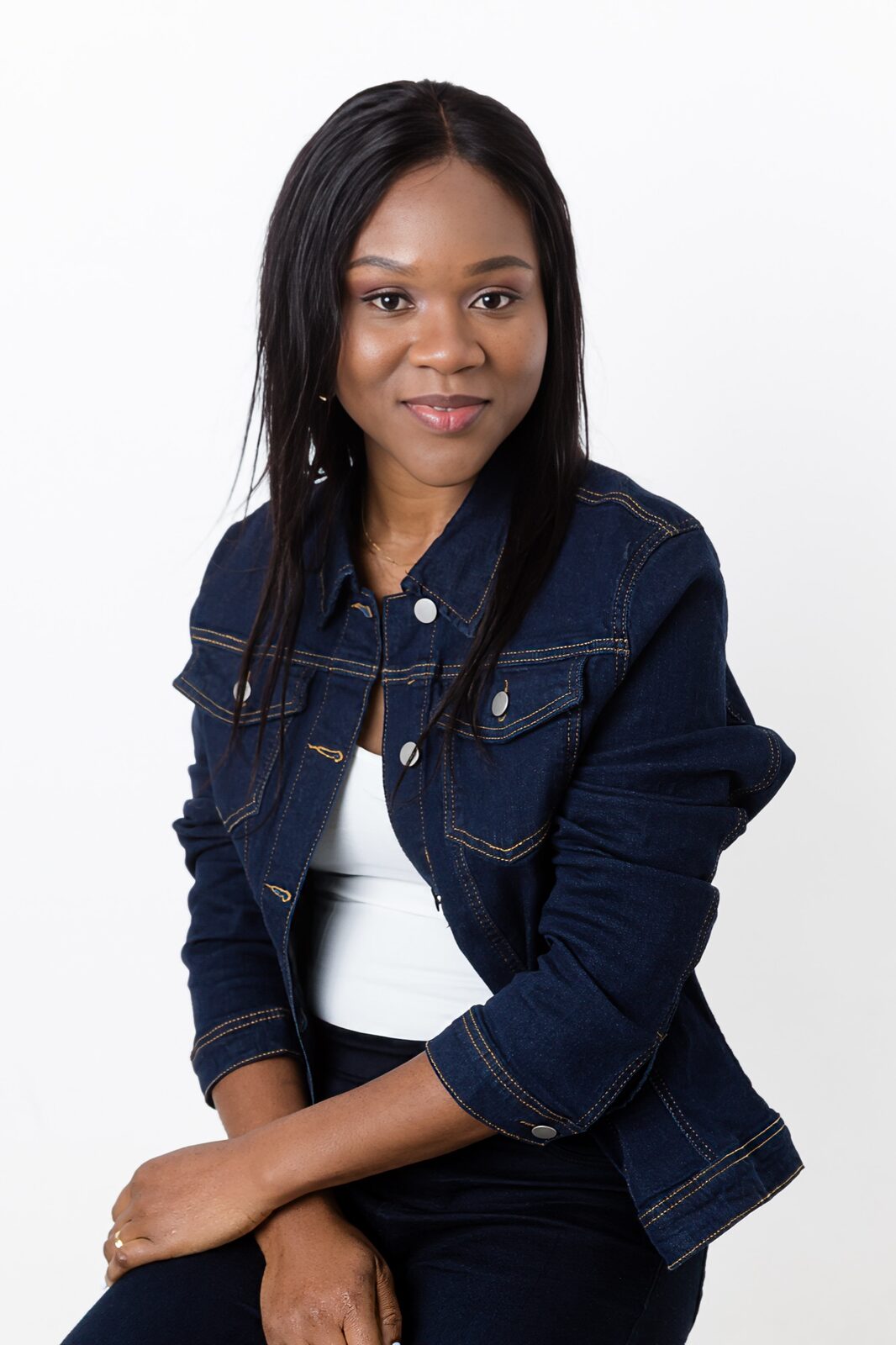
Your clothing is often the first thing a viewer processes before they even register your expression. A well-fitted blazer or structured top signals competence and care. Professional attire — whether that's business formal or smart-casual — tells whoever is viewing your headshot that you take your work seriously. For men, a well-fitted suit jacket or blazer over a simple shirt is a reliable choice. For women, a structured blazer, a solid blouse or a clean-lined dress all work beautifully. The goal is to look polished without looking costumed.Avoid Casual Clothing and Busy Patterns
Hoodies, graphic tees and overly casual wear undermine the professional intent of a headshot. Even if your industry leans relaxed, your portrait should still reflect a considered, intentional version of how you present yourself professionally. Busy patterns — stripes, florals, checks — pull the viewer's eye away from your face. Solid, muted colours keep the focus exactly where it needs to be.- Blues, soft greens and deep purples are universally flattering on camera.
- Avoid neon or very bright whites, which can throw off exposure.
- Avoid logos or text — they date quickly and distract from your face.
- Bring a few options to your session so you have flexibility on the day.
Grooming Is Part of the Brief
Never underestimate grooming before your session. For women, professional makeup applied with a camera-ready finish — slightly more defined than everyday wear — prevents your features from appearing washed out under studio lighting. For men, a light dusting of translucent powder removes shine from the forehead and nose without looking "made up." Hair should be clean, styled as you would for an important meeting, and set *before* you arrive — not as an experiment on shoot day. Our studio in Gledswood Hills offers hair and makeup services specifically tailored to photography sessions, taking one significant variable off your plate entirely. ---"A headshot has roughly two seconds to communicate who you are and why someone should trust you — everything in the frame, from the light to the collar of your shirt, is either working for you or against you."---
Posture and Body Language You Can't Ignore
The Slouch Is Never Your Friend
Poor posture is one of the more subtle mistakes to avoid in your headshot, but it's immediately visible to anyone reviewing your portrait. Rounded shoulders read as uncertain or disengaged. Sitting or standing too rigidly reads as tense and unapproachable. The sweet spot is an open, engaged posture — shoulders back and relaxed, spine tall, chin brought slightly forward and *down* (not up). This last adjustment alone eliminates the double-chin effect that plagues so many self-shot headshots.Natural Asymmetry Looks Better Than Symmetry
Standing with your feet shoulder-width apart and shifting your weight slightly to one foot introduces natural asymmetry into the frame. It looks relaxed and confident — far more engaging than a stiff, centred stance. If you're seated, lean forward slightly from the hips. This communicates engagement and approachability and prevents the photo from feeling passive.- Angle your body slightly rather than facing the camera square-on.
- Keep your arms relaxed — hands clasped lightly or resting naturally.
- Roll your shoulders back before the shot to open the chest.
Expression: Why Authenticity Always Wins
The Forced Smile Problem
A rehearsed, frozen smile is one of the most common and most visible problems in professional headshots. It reads as performative rather than warm — and most viewers pick up on it instantly, even if they can't articulate why. The trick to a genuine smile is to *think* something funny or pleasant, rather than simply arranging your face into the shape of one. A good photographer will guide you through this — prompting natural reactions rather than issuing instructions that make you self-conscious.Eye Contact Builds Credibility
Direct eye contact with the lens is one of the simplest and most powerful things you can do in a headshot. It creates the impression of confidence and connection — exactly what you want when someone is assessing whether to hire, collaborate with, or contact you. Avoid looking slightly off-camera or at the photographer's shoulder rather than the lens itself. Even a small deviation is visible and reads as evasive. ---Ready for a Headshot That Actually Works for You?
Faithful Photography's South-West Sydney studios specialise in corporate photography that delivers polished, authentic results — without the awkward experience of not knowing what to do in front of the camera.
Background and Environment Choices That Undermine Your Shot
Cluttered or Distracting Backgrounds
A busy background competes with your face for attention. Bookshelves filled with random objects, visible doors and frames, or worse — an unmade bed — all pull the viewer's eye in the wrong direction. Clean, neutral backgrounds keep the portrait professional and timeless. Solid backgrounds in light grey, white or deep charcoal work for almost every industry and skin tone. Soft, blurred environmental backgrounds (achieved with a wide aperture) can also work beautifully when the setting is relevant and intentional.Choosing the Wrong Location
Shooting outdoors can produce stunning headshots — but only under the right conditions. Midday direct sun is harsh and unflattering. Patchy shade creates inconsistent, dappled light. Overcast days or open shade are the outdoor photographer's best friend: soft, even, and easy to work with. If you're in the Macarthur region and considering a location shoot, our photographers regularly work across Campbelltown, Camden and Gledswood Hills — all locations with excellent spots for natural-light portraiture. ---Technical Mistakes That Are Completely Avoidable
Using a Phone Camera When It Matters
Modern smartphones are impressive, but they're not a substitute for a professional camera system when the stakes are high. Phone lenses introduce barrel distortion at close range — which can subtly widen and distort facial features in ways that aren't immediately obvious but are perceptible enough to undermine the portrait. A professional DSLR or mirrorless camera with a portrait lens (typically 85mm or longer) compresses facial features in a genuinely flattering way. It's one of the reasons headshots taken on proper equipment simply *look* better, even to someone who can't identify why.Over-Editing Your Headshots
Heavy retouching — smooth, poreless skin; eyes brightened to an unnatural degree; blemishes removed entirely — creates a version of you that doesn't match what people see when they actually meet you. Subtle, considered retouching that evens out skin tone and removes temporary imperfections is appropriate. Wholesale transformation is not. The goal is to look like the best version of yourself on a good day — not someone else entirely.- Remove temporary blemishes but retain permanent features like freckles or beauty marks.
- Brighten the whites of eyes slightly, but don't over-saturate the irises.
- Subtle skin smoothing is fine — plastic-looking skin texture is not.
- Keep edits consistent if you're producing multiple headshots from the same session.
The Preparation Habits That Set You Up for Success
What to Do Before Your Session
The best headshots don't happen by accident. A little preparation in the days leading up to your session makes a measurable difference to how you look and how comfortable you feel in front of the camera.- Sleep well the night before — tired eyes and puffiness are difficult to fix in post-processing.
- Stay hydrated in the days before — skin texture improves noticeably with good hydration.
- Finalise your outfits — bring two or three options, steamed and ready.
- Arrange hair and makeup in advance — our studio can assist with both on the day.
- Do a practice run at home in front of a mirror — get comfortable with your angles and expression.
- Arrive early — rushing in stressed shows in your face within minutes of arriving.
Communicate with Your Photographer
Tell your photographer what the headshots are for — whether it's LinkedIn, a company website, a speaker bio, or acting submissions — so they can guide you toward the right tone, backdrop and crop. A corporate headshot for a financial services firm and a creative portrait for a theatre company are very different briefs, and a good photographer will adapt accordingly. ---Frequently Asked Questions
What are the most common mistakes to avoid in a headshot session?
The most frequent issues are poor lighting (especially harsh overhead or behind-subject light), wearing patterned or casual clothing, neglecting grooming, using a cluttered background, and bringing a forced or rehearsed expression to the shoot. Preparation and a good photographer make all the difference.
What should I wear for a professional headshot in Australia?
Solid colours in blues, greens, soft greys or deep neutrals photograph best. Avoid busy patterns, bright neons, logos or overly casual clothing. For men, a well-fitted blazer or suit jacket works well. For women, a structured blouse, blazer or clean-lined dress is ideal. Bring a few options to your session so you have flexibility.
How do I avoid looking stiff or unnatural in my headshot?
Natural expression comes from relaxing your face rather than posing it. Think of something genuinely funny or pleasant to produce a real smile. Introduce slight body asymmetry — a small weight shift, a gentle angle — to avoid the stiff, centred look. A good photographer will guide you through this during the session.
Does Faithful Photography offer headshots for corporate clients in South-West Sydney?
Yes. Our studios in Glen Alpine and Gledswood Hills are set up specifically for professional portrait and corporate photography. We serve clients across the Macarthur region, including Campbelltown, Camden, Narellan, and surrounding areas. Our corporate photography service covers individual headshots and team portraits, with professional hair and makeup available on request.
Should I do my own hair and makeup before a headshot session?
If you're comfortable with your own styling, that's absolutely fine — just keep it camera-ready rather than everyday subtle. For the best results, our studio offers professional hair and makeup services as part of our session packages. Camera-specific makeup techniques ensure your features read well under studio lighting without looking overdone.
How much does a professional headshot session cost?
Session investment varies depending on the package selected, whether hair and makeup is included, and the number of final images delivered. You can review our current packages and pricing on the session pricing page. We also offer gift vouchers if you'd like to arrange a session as a gift for a colleague or friend.
Visit Faithful Photography Today
Whether you're after a single LinkedIn headshot or a full suite of corporate portraits for your team, our Glen Alpine and Gledswood Hills studios are ready to deliver results that genuinely represent you at your best. Serving clients across South-West Sydney, the Macarthur region, Narellan, and beyond.